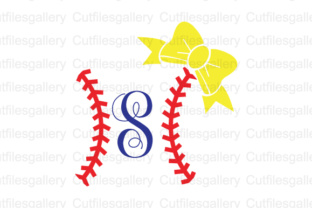
Review: The Baseball Bow Cut File for Embroidery Projects
As a designer who spends most of my day staring at screens and threading needles, I approach every new digital embroidery file with a mix of excitement and skepticism. We've all been there: you download a cute graphic, load it into your software, and realize halfway through stitching that the details are too tight or the shape doesn't translate well to fabric. That is why I took a close look at the Baseball Bow Cut File before committing it to any client work or personal embroidery project. This isn't just about whether the image looks good on a monitor; it's about how it performs as a handmade product in the real world.
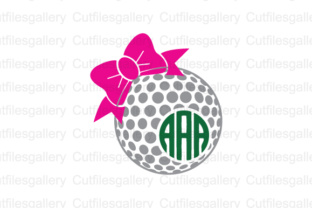
My first impression of this design is that it strikes a perfect balance between sporty energy and feminine charm. The silhouette is clean, which is crucial when you are translating a vector image into thread. In the realm of Crafts and Graphics, simplicity often wins because complex shapes can get lost in stitch density. The bow element adds a softness that counters the hard lines typically associated with baseball imagery. This duality makes it incredibly versatile. It feels like a design that belongs on a boutique shelf, not just a generic sports team giveaway. When I visualized this as a finished piece, I immediately thought of its potential for custom apparel aimed at youth leagues, mom-and-me sets, or even spring-themed decor.
Real-World Application: The Spring Tournament Tote
To truly test the viability of the Baseball Bow Cut File, I imagined a specific scenario that many of us face during the spring season: creating personalized gifts for a little league tournament. Picture a parent needing a unique item for their daughter's team photo or a special gift for the coach. A standard tote bag design featuring just a ball is common, but adding this bow elevates the aesthetic instantly.
If I were producing this for a small shop product line, I would likely pair this cut file with a high-quality canvas tote or a structured cap. Since the download includes SVG, DXF, and PNG formats, the workflow is straightforward for those using Silhouette Cameo or Cricut machines to create heat transfer vinyl (HTV) applications, or for embroidery digitizers who need a solid base to work from. For an embroidered version, I envision using a bright white satin stitch for the bow to make it pop against a navy or heather grey sweatshirt. The contrast would be striking. For a baby embroidery project, such as a onesie for a "future pitcher," the soft curves of the bow would complement the delicate nature of infant wear better than a harsh, blocky logo.
Technical Considerations for Stitching Success
While the visual appeal is strong, practical execution requires attention to detail. If you are planning to use this as a basis for a machine embroidery design, you must consider how the shapes translate to stitches. The loops of the bow and the knot in the center are areas where stitch density becomes critical. If the digital file is used to generate stitches automatically without manual tweaking, there is a risk of the inner corners becoming too dense, leading to puckering or thread breaks.
For those working with textured fabrics like terry cloth towels or fleece sweatshirt embroidery, the background stability is key. I strongly advise using a appropriate stabilizer—likely a cut-away for stretchy garments—to ensure the bow retains its shape after washing. The "baseball" portion of the design, depending on how you color it, might require careful management of thread colors. If you attempt to replicate the red stitching of a real baseball within a small hoop size, ensure your machine can handle that level of detail without the threads merging into a muddy mess.
There are specific situations where caution is warranted. If you are applying this to a curved surface like a cap, the flat geometry of the bow might distort if not hooped correctly. Similarly, on dark fabrics, you will need to ensure your underlay stitches are sufficient to prevent the fabric grain from showing through the lighter threads of the bow. Always test the design on scrap fabric first. This simple step saves time, money, and reputation, especially if you are an Etsy seller relying on positive reviews for your craft business.
Enhancing Brand Value and Customer Appeal
In today's market, customers are looking for more than just a product; they want a story and a feeling. The Baseball Bow Cut File offers a narrative of playfulness and pride. When used effectively, it enhances the perceived value of your finished product. A plain t-shirt becomes a cherished keepsake; a simple pillow cover transforms into a themed nursery accent. This kind of thoughtful design selection builds customer trust. It shows that you, as the creator, care about aesthetics and quality.
For commercial embroidery projects, consistency is vital. Because this is a vector-based cut file (SVG/DXF), it scales infinitely without losing resolution. This means you can use the same asset for a tiny chest logo on a polo shirt and a large back design on a jersey, ensuring your brand consistency remains intact across different product lines. Whether you are creating holiday embroidery for a summer camp or a wedding gift for a sports-loving couple, the clarity of the design ensures professional results.
Final Designer Notes and Best Practices
Before you dive into production with the Baseball Bow Cut File, here are a few practical reminders based on experience:
- Check Licensing: Always confirm the license terms provided with the download. Ensure you are cleared for commercial use if you plan to sell items made with this design on Etsy or at craft fairs.
- Mockup Testing: Create digital mockups in both black and white and full color. This helps you visualize how the design reads on different fabric texture backgrounds before you ever thread a needle.
- Detail Inspection: Zoom in on the digital file. Look for any stray nodes or overlapping paths that could confuse your cutting machine or embroidery software.
- Thread Selection: Choose high-quality threads that match the vibrancy of the design. A dull red can ruin the "baseball" effect, while a vibrant one makes the bow sing.
- Hoop Size Verification: Confirm that the design fits comfortably within your available hoop sizes, leaving enough margin for proper clamping.
Ultimately, the Baseball Bow Cut File is a solid addition to any designer's library of design assets. It bridges the gap between athletic themes and stylish decoration, offering a fresh take on a classic motif. With careful preparation and an eye for detail, it can become a staple in your lineup of personalized gifts and boutique merchandise. Whether you are a hobbyist making a gift for a neighbor or a professional decorator fulfilling a large order, this design has the potential to deliver excellent results when treated with the respect and technical know-how it deserves.