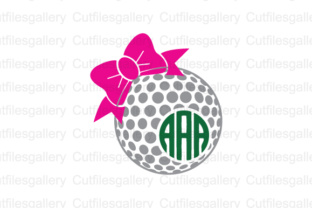
Golf Ball Bow Cut File: A Designer's Real-World Review
As someone who spends hours digitizing, stitching, and critiquing designs for clients, I approach every new machine embroidery design with a mix of curiosity and skepticism. When I first opened the Golf Ball Bow Cut File, my immediate thought wasn't just about the cute factor; it was about utility. In the world of Crafts and Graphics, a design needs to do more than look good on a screen—it has to survive the needle, the fabric, and the wash cycle while still delivering value to the end customer. This review breaks down how this specific asset performs when moved from a digital download to a tangible, stitched reality.
First Impressions: Balancing Sporty and Sweet
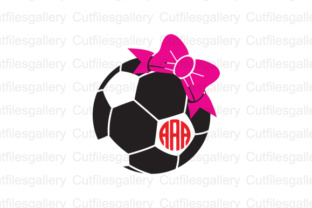
The visual personality of the Golf Ball Bow Cut File strikes a clever balance. It merges the structured, dimpled texture of a golf ball with the soft, flowing lines of a ribbon bow. For an embroidery designer, this juxtaposition is interesting because it combines geometric repetition with organic curves. The mood it creates is playful yet refined, making it perfect for "country club chic" or casual weekend wear. Unlike some novelty designs that feel childish, this layout feels sophisticated enough for adult apparel while remaining adorable for baby items. The simplicity of the shape suggests it will stitch out cleanly, provided the digitizer (or the user, if adapting it) respects the limits of thread density.
Real-World Application: The Custom Tote Bag Scenario
To truly test the viability of this design, I imagined a real-life scenario: a local golf tournament looking for participant gifts. They needed something better than a cheap plastic keychain but cheaper than a full jacket. Enter the custom embroidered tote bag. Using the Golf Ball Bow Cut File here makes sense. The design is compact enough to sit centrally on a canvas bag without overwhelming the material.
If I were producing this for a client, I would visualize the bow in a contrasting satin thread against a navy or forest green bag. The golf ball element provides a recognizable theme instantly, while the bow adds a touch of boutique flair that elevates the item from standard merchandise to a handmade product worth keeping. For an Etsy seller or small shop owner, this kind of versatility is gold. It allows you to market the same file for Father's Day, Mother's Day, or tournament season simply by swapping thread colors and fabric bases.
Performance on Various Fabrics and Garments
When considering where this embroidery file shines, custom apparel is at the top of the list. On a pique polo or a cotton t-shirt, the design holds its shape well. However, texture matters. If you are attempting sweatshirt embroidery, the loft of the fleece can sometimes swallow smaller details. The dimples on the golf ball portion of the design need clear definition; otherwise, they might blend into a solid white mass.
For baby embroidery, such as on a onesie or a burp cloth, the scale is generally appropriate. The soft curves of the bow complement the gentle aesthetic of nursery decor. However, one must be cautious with stretchy fabric. Without proper stabilization, the tension of the stitches could cause the fabric to pucker, distorting the roundness of the golf ball. Similarly, on curved surfaces like caps, the center of the design needs to be positioned carefully to avoid wrapping awkwardly over the seam.
Technical Considerations for the Stitcher
While the Golf Ball Bow Cut File comes in SVG, DXF, and PNG formats suitable for cutting machines like Silhouette Cameo or Cricut, embroidery designers often use these vectors as a base for creating stitch files or appliqué templates. If you are using this as an applique design, the layers become critical. You would cut the golf ball shape from white felt or twill and the bow from a contrasting fabric. This method reduces stitch density on the garment, which is crucial for comfort, especially on items worn directly against the skin.
If you are digitizing this yourself based on the graphic, pay close attention to the running stitch outlines versus fill stitch areas. The dimples on the golf ball should not be overstitched; a simple textured fill or even leaving them as negative space within a satin border can look more professional than trying to stitch hundreds of tiny circles. Always check your hoop size constraints. While this design appears small, ensure your machine's minimum hoop can accommodate the widest part of the bow without re-hooping.
Where to Proceed with Caution
No design is universal, and there are scenarios where the Golf Ball Bow Cut File requires extra vigilance. Dark fabrics present a challenge if the golf ball element relies on white thread; any gap in coverage will show the dark background, ruining the illusion of a white ball. In these cases, a dense underlay or an appliqué backing is non-negotiable.
Additionally, consider the end use regarding washing. Products like kitchen towels or aprons undergo frequent laundering. If the thread colors aren't high quality or if the stabilizer is too light, the edges of the bow may fray over time. For items destined for heavy use, I recommend reinforcing the perimeter with a wider satin column. Also, be wary of using this on very thin fabrics like silk scarves unless you use a cut-away stabilizer to prevent distortion.
Enhancing Brand Value and Customer Trust
For creative entrepreneurs, the choice of design assets directly impacts brand perception. Using a well-thought-out graphic like the Golf Ball Bow Cut File signals attention to detail. It shows that you understand the intersection of hobby and sport, appealing to a niche market that often feels overlooked by generic big-box retailers. When a customer receives a personalized gift featuring this design, the uniqueness of the motif fosters trust and encourages repeat business.
In terms of marketing, this design works beautifully for printable mockups. Because the shapes are distinct, they render clearly in digital previews, helping potential buyers visualize the finished product before purchasing. Whether you are selling the physical embroidered item or the digital file itself, clarity and professionalism in presentation are key to standing out in a crowded marketplace.
Final Designer Notes and Best Practices
Before committing to a production run or listing this as a commercial asset, always test the design on scrap fabric identical to your final material. Check the contrast of your thread colors; sometimes a cream thread looks better than stark white on off-white fabric. Verify the licensing terms associated with the download, as rules for personal versus commercial use vary by creator. Ensure that if you are selling the physical item, you have the right to use the design for commercial embroidery projects.
Ultimately, the Golf Ball Bow Cut File is a versatile tool in the modern maker's kit. It bridges the gap between sports enthusiasm and decorative crafting. With the right fabric choices, proper stabilization, and a keen eye for detail, it can transform a simple piece of cloth into a cherished keepsake or a best-selling shop item. As with any project, the magic lies not just in the file itself, but in the skill and care applied during the creation process.