Mandala Bear Cut File: A Designer's Review for Real Projects
When I first opened the folder containing the Mandala Bear Cut File, my immediate reaction wasn't just about the cuteness of the subject matter, but rather the structural integrity of the design for actual production. As someone who spends hours digitizing and reviewing files for client work, I look past the preview image to see how a design will behave under the needle. This specific asset, categorized under Crafts and Graphics, presents an interesting hybrid challenge: it merges the organic, soft appeal of a bear with the geometric precision of a mandala. For embroidery designers and small business owners, this combination dictates exactly where and how the file should be deployed to ensure a high-quality finished product.
First Impressions and Visual Personality
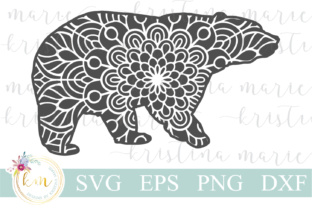
The mood created by this design is whimsical yet grounded. The bear silhouette provides a familiar, comforting shape that appeals broadly to customers looking for personalized gifts or nursery decor. However, the internal mandala pattern adds a layer of sophistication that elevates it beyond a standard children's motif. Visually, the layout feels balanced, with the intricate lines of the mandala filling the bear's form without appearing overly cluttered in the thumbnail.
For an embroidery project, this visual personality suggests versatility. It isn't strictly juvenile; the geometric elements allow it to fit into boho-chic aesthetics or modern minimalist styles depending on your thread choices. When evaluating the Mandala Bear Cut File for real use, the detail level stands out. It promises to create a texture-rich surface that catches light differently than a solid fill, which is a huge plus for increasing the perceived value of handmade products.
Real-World Application: The Custom Tote Bag Scenario
To truly test the viability of this design, I imagined a common request from my client base: a custom embroidered tote bag for a local boutique. Tote bags are notoriously tricky due to the weave of the canvas and the potential for fabric distortion. Using the Mandala Bear Cut File here requires careful planning. Because the design relies on fine lines within the mandala section, placing it on a heavy-duty canvas tote would result in a stunning tote bag design that highlights the contrast between the rough fabric texture and the smooth thread.
In this scenario, the bear acts as a central logo or focal point. Customers reacting to this item would likely appreciate the uniqueness of the mandala interior compared to a standard solid bear. It signals effort and design thoughtfulness, which builds customer trust and justifies a higher price point for the small shop product. Whether used for a farmer's market giveaway or a retail item, the design holds its own visually. However, for sweatshirt embroidery, the approach changes slightly. On a fleece or cotton blend, those same fine mandala lines might get lost if the stitch density isn't managed correctly or if the fabric piles up during stitching.
Navigating Fabric Challenges and Hoop Constraints
While the Mandala Bear Cut File is versatile, there are specific situations where caution is required. If you are working with stretchy fabric like jersey knits for baby embroidery, the dense areas of the mandala could cause puckering. In these cases, the choice of stabilizer becomes critical. A cut-away stabilizer is almost mandatory to support the geometric details over time, especially since baby items undergo frequent washing.
Furthermore, consider the hoop size. While the file is scalable, shrinking it too much for a small pocket on a cap or a tiny patch could render the inner mandala details indistinguishable. The "noise" of the pattern might turn into a solid blob if the stitches become too tight. For curved surfaces like caps, the flat nature of the mandala geometry might distort if not centered perfectly. I always advise running a test on scrap fabric of the same weight before committing to a final custom apparel piece. This simple step saves thread, time, and reputation.
Enhancing Brand Consistency and Product Value
For Etsy sellers and creative entrepreneurs, consistency is key to building a recognizable brand. The Mandala Bear Cut File offers a strong anchor for brand identity. Its distinct style allows you to create a cohesive collection ranging from holiday embroidery ornaments to year-round embroidered patches. When customers see this specific bear style across different products—pillow covers, tea towels, and aprons—they begin to associate that aesthetic with your shop.
The visual appeal directly impacts buyer engagement. A design that looks complex and well-thought-out in photos converts better. Using this file to create printable mockups for your online listings can give potential buyers a clear idea of the design assets quality. However, remember that what looks good on a screen must translate to thread. Ensuring high stitching clarity means selecting the right thread colors. High contrast works well for a bold statement, while tonal threading (using shades of the same color) can make the mandala details pop subtly against the bear outline, adding a premium feel to the commercial embroidery output.
Practical Notes for the Professional Maker
Before integrating the Mandala Bear Cut File into your production line, keep these practical considerations in mind:
- Test Stitch Density: Always stitch a sample on scrap material to check if the mandala lines are too close together, which can cause thread breaks or bird nesting.
- Check Contrast: Review how the design looks in black and white mockups to ensure the internal details remain visible regardless of the fabric color.
- Verify Licensing: Since this is a digital download containing SVG, EPS, PNG, and DXF files, confirm the specific license terms regarding commercial embroidery and the sale of finished physical goods versus digital redistribution.
- Fabric Compatibility: Be cautious with dark fabrics; you may need an underlay or a lighter thread weight to prevent the background from showing through the mandala gaps.
- Machine Compatibility: Ensure your machine can interpret the converted embroidery file correctly, as the original package is geared towards cutting machines like Silhouette. You may need to digitize or convert these graphics into a proper machine embroidery design format compatible with your specific hoop and machine brand.
Ultimately, the Mandala Bear Cut File is a robust resource for makers who understand how to adapt graphic elements for textile applications. It bridges the gap between digital Graphics and tactile Crafts, offering a pathway to create unique, high-value items. By respecting the limitations of fabric and thread, and by testing thoroughly, you can turn this single design into a staple of your craft business, delivering finished products that delight customers and stand up to real-world use.