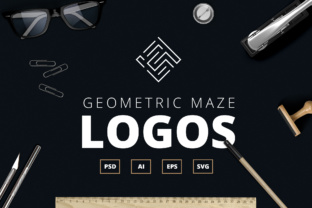
Geometric Maze Logos Templates: A Designer's Stitch Review
As someone who spends more time staring at stitch maps than most people care to admit, I approach new design assets with a healthy dose of skepticism. We've all been there: you download a stunning graphic, load it into your software, and realize the density is going to turn your fabric into cardboard. That is why I took a close look at the Geometric Maze Logos Templates from Graphicfresh before committing them to a real-world embroidery project. These aren't just pretty pictures; they are potential brand identities for small shops, boutique labels, and personalized gifts. The question is, do they hold up under the needle?
The Visual Personality of the Maze
My first impression of the Geometric Maze Logos Templates was one of structured complexity. There is a distinct modern mood here. The interlocking lines and labyrinthine shapes create a sense of depth and intelligence that flat, simple icons often lack. For a designer, this visual personality suggests sophistication. It feels like something that belongs on a tech startup's hoodie or a high-end architectural firm's tote bag rather than a playful children's bib.
However, in the world of machine embroidery, visual appeal on a screen does not always translate to finished product quality. The "maze" aspect implies many turning points and potentially tight corners. When evaluating these Logos and Graphics, my immediate thought was about stitch density. A design that looks crisp as a vector can become a muddy mess if the fill stitch or satin stitch columns are too wide or if the underlay isn't sufficient. The geometric nature demands precision; a wobbly line in a maze breaks the illusion of the path.
Real-World Application: The Boutique Tote Test
To truly evaluate these templates, I imagined a specific scenario: a custom order for a local bookstore needing branded tote bag designs. They wanted something unique that wouldn't look like a generic clip-art stamp. The Geometric Maze Logos Templates fit this brief perfectly. The intricate pathways of the logo would look fantastic stitched onto a heavy canvas tote, providing a textured, tactile element that customers love to touch.
In this context, the design acts as a conversation starter. A customer seeing a handmade product with such a deliberate, complex logo assumes a higher level of craftsmanship. It elevates the perceived value of the item. If I were an Etsy seller offering custom apparel or home goods, using these templates could help justify a higher price point because the design itself looks expensive and thoughtful. It signals that the creator cares about details, which builds customer trust.
Beyond totes, I can see these working well for sweatshirt embroidery on the chest or sleeve. The geometric lines provide a nice contrast to the soft, fuzzy texture of fleece or French terry. For holiday embroidery gifts, perhaps a monogram integrated into the maze pattern, these templates offer a versatile framework. They are neutral enough to work year-round but detailed enough to feel special for occasions like weddings or housewarmings.
Technical Considerations for the Embroiderer
While the aesthetic is strong, we must talk about the mechanics. Working with Geometric Maze Logos Templates requires a strategic approach to materials. Because of the likely fine details and sharp angles inherent in a maze design, fabric choice is critical.
- Fabric Texture: Avoid highly textured fabrics like loose-weave linen or thick terrycloth for the smallest versions of these logos. The running stitch or fine satin columns might sink into the pile, losing definition.
- Stabilizer Choice: Given the geometric precision, a cut-away stabilizer is almost certainly necessary, especially for stretchy fabrics like jersey knits used in baby embroidery or t-shirts. Tear-away might leave the design unstable over time, causing the sharp corners of the maze to distort after washing.
- Hoop Size: Check the dimensions carefully. If you are aiming for a small embroidered patch or a pocket logo on a cap, ensure the template scales down without losing the integrity of the "walls" in the maze. Tiny details can vanish if the hoop size forces the design to be resized too aggressively.
- Thread Colors: These designs likely rely on contrast. Test your thread colors against the fabric background. A dark thread on a dark fabric might hide the beautiful intricacy of the maze. Conversely, a metallic thread could highlight the geometric paths beautifully for a boutique look.
One specific area of caution is curved surfaces, such as caps. The rigid structure of a geometric maze can struggle to conform to the front panel of a hat without significant puckering if the digitizing isn't optimized for curvature. If you are planning a run of hats, I strongly advise stitching a test on a scrap piece of the same cap material first.
Commercial Viability and Brand Consistency
For craft business owners and digital product sellers, the licensing terms are paramount. The description from Graphicfresh mentions creating brand new logos quickly, which implies these are intended for commercial adaptation. However, before listing items on your small shop product catalog or selling these as digital embroidery files, you must verify the specific license included with the download. Can you sell the stitched item? Can you sell the file itself? Clarifying this prevents legal headaches down the road.
Assuming the license permits commercial use, these templates are excellent for brand consistency. If a client needs a logo that works on a business card (print) and an apron (embroidery), the clean lines of a geometric maze often translate well across both mediums. This versatility makes them valuable design assets for freelancers managing a client's entire visual identity.
Final Verdict for the Maker
The Geometric Maze Logos Templates offer a compelling blend of modern style and functional branding potential. They are not just decorative; they are structural. When applied correctly to suitable materials like canvas, twill, or stable knits, they produce a personalized gift or commercial item that feels premium and professional.
My advice is to treat these templates as a foundation, not a finished solution. Always digitize or review the embroidery file settings before stitching. Check the stitch density to ensure it matches your fabric weight. Create printable mockups to visualize the scale. And most importantly, respect the geometry; let the clean lines shine by pairing them with high-quality threads and proper stabilization. If you take these precautions, these Logos and Graphics can become a staple in your portfolio, helping you deliver commercial embroidery projects that stand out in a crowded market.
Whether you are decorating a kitchen towel for a friend or launching a new line of apparel decorators merchandise, the maze offers a path to creativity—just make sure you map out your stitches before you begin.