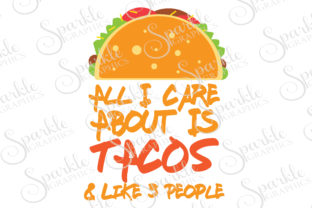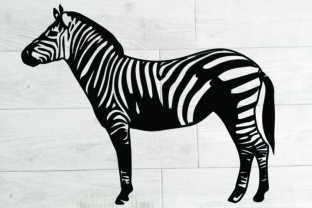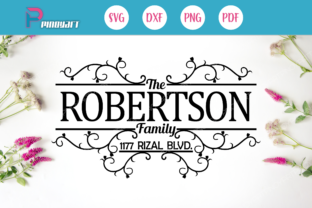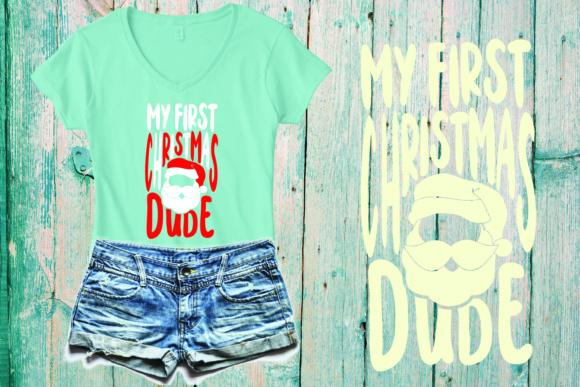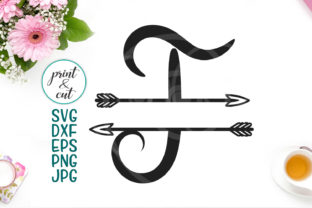
Funny Cut File: Crafts Graphics for Branding
As a brand designer who spends most of my week refining identities for local bakeries, boutique skincare lines, and artisanal food producers, I approach every new graphic design asset with a critical eye. It is not enough for an illustration to be cute; it must serve a strategic purpose within a broader brand identity. Recently, I evaluated the Funny Cut File collection to determine its viability for a real-world small business branding project. My goal was to see if this asset could elevate a client's packaging from generic to memorable while maintaining the professional standards required for commercial design.
First Impressions and Brand Personality
Upon opening the folder, the immediate impression of the Funny Cut File is one of approachable whimsy. The design exudes a friendly, handmade vibe that feels distinctly organic rather than overly polished or corporate. This specific mood makes it an excellent candidate for businesses that want to communicate warmth and personality. Imagine a local coffee shop launching a seasonal blend or a children's clothing boutique needing a playful accent for their hang tags. The aesthetic suggests a brand that does not take itself too seriously but cares deeply about customer connection.
For a local business, this type of visual language is powerful. It breaks down the barrier between seller and buyer, creating an emotional hook before the product is even touched. While it might not suit a high-end luxury minimalist brand or a formal corporate entity, it is perfect for handmade business owners who rely on charm and authenticity to drive sales. The style leans heavily into the decorative, offering a softness that pairs beautifully with handwritten fonts and rustic textures.
Strategic Applications in Packaging and Marketing
The true test of any design asset is its versatility across different mediums. In my review, I visualized how the Funny Cut File could be deployed across a comprehensive packaging design system. For a hypothetical candle brand, these graphics could serve as the hero element on a product label, instantly drawing the eye on a crowded shelf. Because the files are vector-based, they scale effortlessly from a tiny sticker on a soap bar to a large poster for a storefront window.
Beyond physical goods, the utility extends to social media graphics and digital marketing. A boutique owner could use these illustrations to create engaging Instagram stories or Facebook ads that highlight a flash sale. They work exceptionally well as decorative borders for menu graphics in a cafe or as watermarks on product photography to prevent theft while adding brand flair. When used on thank-you cards included in shipping boxes, these graphics reinforce the unboxing experience, turning a simple transaction into a delightful moment for the customer.
The asset supports stronger first impressions by providing a clear visual hierarchy. When placed strategically, it guides the viewer's eye toward the most important information, such as the product name or price. This clarity improves customer trust, as professional-looking marketing visuals signal that the business is established and reliable. Whether used on flyers, business cards, or website banners, the consistent application of these elements creates a cohesive brand narrative.
Technical Specifications and File Usability
From a technical standpoint, the deliverables are robust. You will receive a zipped folder containing essential formats: one SVG, one DXF, one EPS, and one PNG. This variety ensures compatibility with industry-standard tools. The SVG and EPS files are particularly valuable for logo design and large-format printing, as they allow for infinite scaling without pixelation. The inclusion of DXF makes this asset ready for cutting machines like the Silhouette Basic Designer or Cricut Design Space, which is a massive plus for creators making physical stickers, iron-ons, or embossed packaging accents.
The PNG file offers immediate usability for digital applications, featuring transparency that allows it to sit cleanly over colored backgrounds or product mockups. For a designer working in Adobe Illustrator or Canva, having access to both vector and raster formats streamlines the workflow significantly. It eliminates the need to trace images manually, saving hours of production time during tight deadlines for seasonal campaigns.
Where to Use It and Where to Exercise Caution
This graphic shines brightest when used as a packaging accent or a decorative brand element. It is ideal for hero graphics on limited-edition products, seasonal packaging for holidays, and boutique visuals that require a touch of fun. However, discretion is necessary. I would advise against using this specific style for formal corporate branding or in areas dense with legal information, such as ingredient lists or regulatory warnings. In these contexts, the playful nature of the illustration could compete with important text, reducing readability.
Furthermore, caution is needed when applying it to very small labels where fine details might get lost in print. It may also clash with luxury minimalist brands that rely on stark whitespace and severe typography. If the background is low-contrast, the graphic might disappear, so always ensure there is sufficient separation between the art and the surface it rests upon.
Practical Notes for Professional Implementation
Before integrating the Funny Cut File into a client project, I recommend a few practical steps. First, test the graphic on real product mockup templates to see how it interacts with lighting and texture. Check how it performs in black and white, as many small businesses still print receipts or invoices in monochrome. Preview the design on small labels to ensure the lines remain crisp.
Experiment with pairing the illustration alongside different typography styles. While it naturally complements script and handwritten fonts, trying it against a bold sans serif can create an interesting modern contrast. Always review the commercial license terms carefully. Confirm that the commercial license covers your specific use case, whether it is for physical product sales, client branding, or digital distribution. Finally, compare the asset against competitor packaging to ensure your client's brand stands out rather than blends in.
In conclusion, the Funny Cut File is a versatile tool for enhancing small business branding. When used with intention, it transforms standard Crafts and Graphics into a strategic asset that builds recognition and fosters loyalty. For the creative entrepreneur looking to add a splash of personality to their visual hierarchy, this collection offers a solid foundation for professional and playful design outcomes.